
Why Sacramento Is a Popular Market for New Home Construction
Growing Population and Rising Housing Demand
Sacramento’s population has steadily increased over the past decade, driven by families, professionals, and retirees seeking more space and better affordability. As more people relocate from the Bay Area, Los Angeles, and out of state, builders have responded with new subdivisions, townhome communities, and semi-custom developments designed to meet the rising demand for modern housing.
More Affordable Than Bay Area Markets
One of the biggest reasons buyers choose Sacramento is cost. Compared to Bay Area cities—where home prices and living expenses are significantly higher—Sacramento offers far better affordability without compromising access to major job markets. Buyers can often afford larger homes, better amenities, and spacious lots, making new construction especially attractive for growing families and remote workers.
Expansion of Master-Planned Communities
Sacramento is home to several emerging master-planned communities that offer a complete lifestyle experience. Areas like Elk Grove, Rancho Cordova, Folsom Ranch, and Natomas feature thoughtfully designed neighborhoods with parks, walking trails, schools, shopping centers, and recreational amenities built right into the community. These developments attract buyers who want convenience, safety, and a modern suburban lifestyle.
Access to Modern Amenities and Energy-Efficient Designs
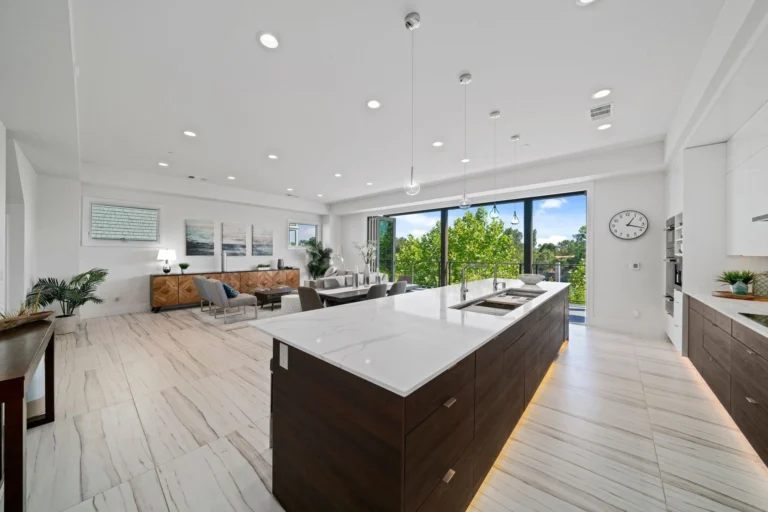
New home construction in Sacramento typically includes features that older resale homes lack—open layouts, smart-home technology, upgraded insulation, efficient HVAC systems, and solar options to help reduce energy bills. Many builders also incorporate eco-friendly materials and California-compliant green standards, giving homeowners long-term savings and greater comfort.
Strong Job Growth and Economic Stability
Sacramento’s economy continues to expand, supported by government employment, healthcare, education, construction, and a growing tech presence. As job opportunities increase, so does the need for housing. This economic stability gives builders confidence to develop large-scale projects and gives buyers confidence that Sacramento is a smart long-term investment.
Types of New Construction Homes Available in Sacramento
Production Homes (Large Builders in Planned Communities)
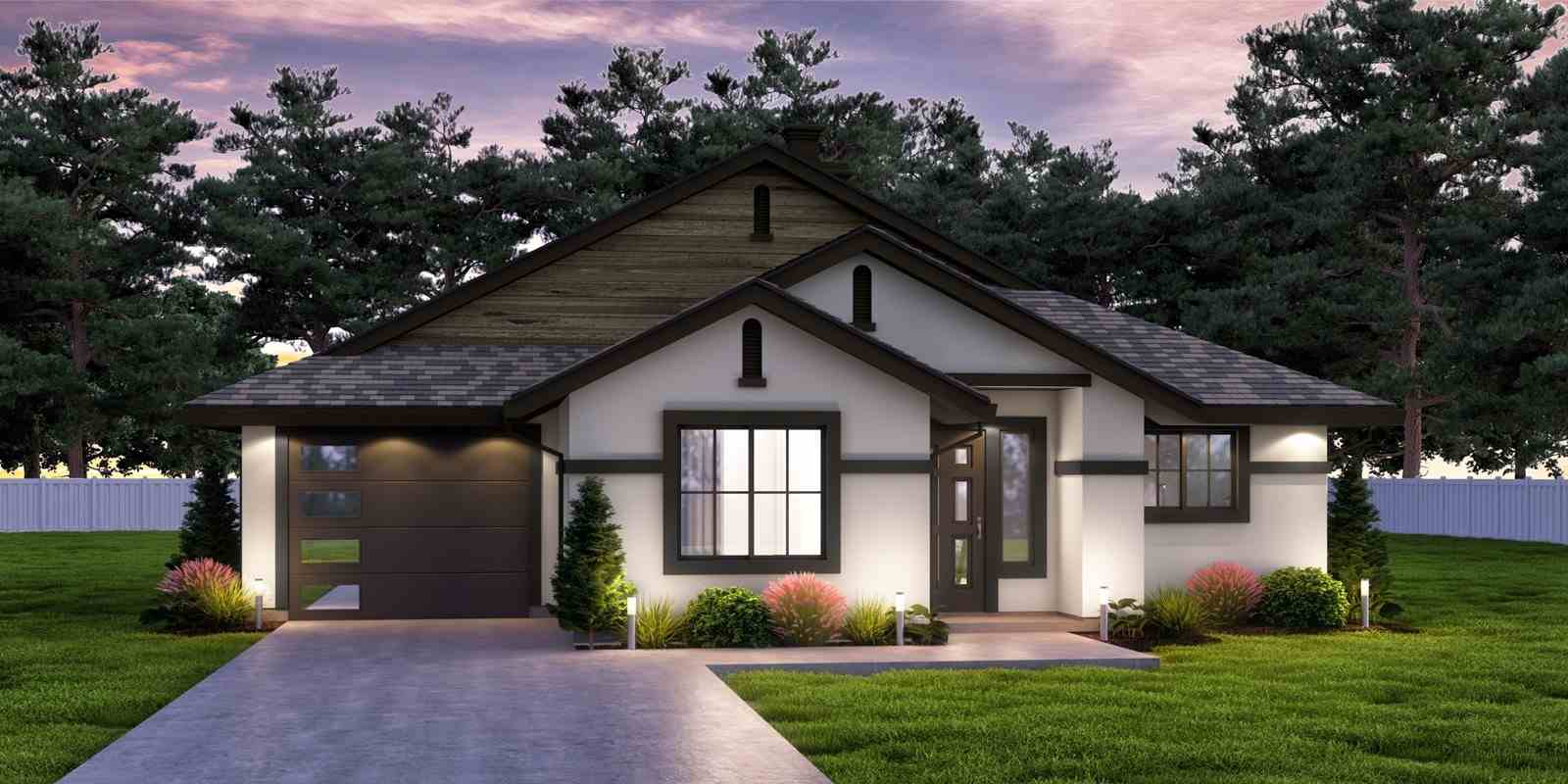
Production homes are the most widely available new-build option in Sacramento. Built by large, well-established builders—often within master-planned communities—these homes follow a set of pre-designed floor plans with curated design packages. Buyers can typically choose from exterior styles, color schemes, and a limited selection of finishes.
Best for:
- First-time buyers
- Families wanting affordability and predictable timelines
- Buyers looking for community amenities (parks, trails, schools)
Production homes offer excellent value, a streamlined building process, and consistent quality—all major reasons they dominate Sacramento’s new construction market.
Semi-Custom Homes
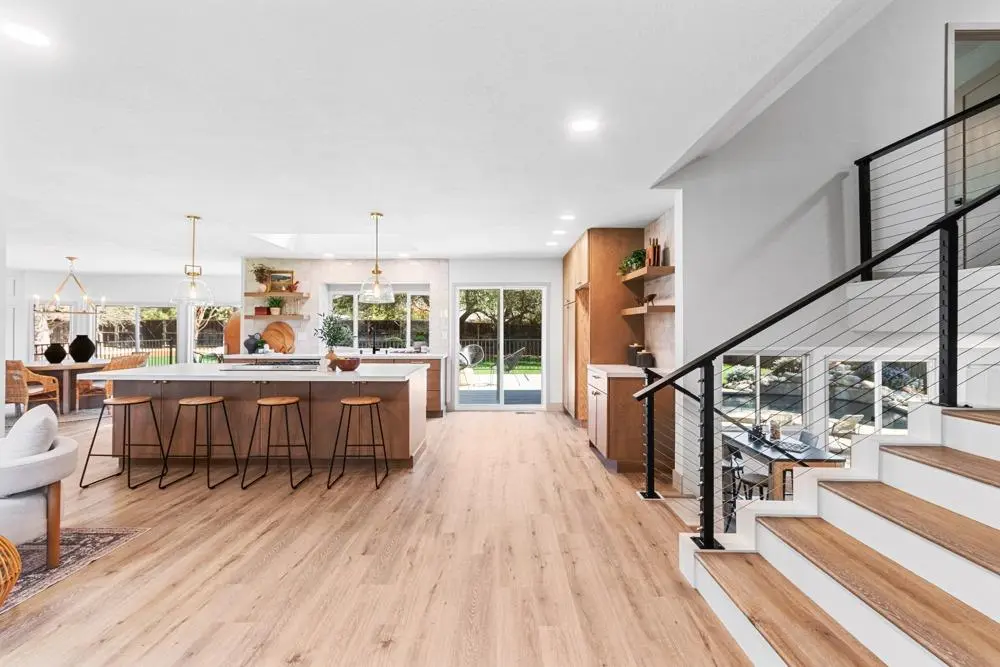
Semi-custom homes give buyers much more flexibility than production builds. While the basic floor plan is chosen from the builder’s catalog, owners can modify layouts, select custom finishes, upgrade materials, or add personalized features like extended patios, gourmet kitchens, or expanded primary suites.
Best for:
- Buyers wanting some customization without the cost of a fully custom home
- Homeowners with specific layout preferences
- Families wanting a unique look while staying within a community setting
Semi-custom homes often strike the perfect balance between personalization and affordability.
Fully Custom Homes
Fully custom homes are tailored entirely to the buyer’s vision. From the architectural design to every interior detail, homeowners work with architects, designers, and independent builders to create a one-of-a-kind home.
Best for:
- Buyers seeking complete creative control
- High-end clients building on private lots
- Individuals with unique lifestyle needs or design requirements
Custom homes take longer to build and typically cost more, but they offer unmatched personalization and craftsmanship.
Spec Homes (Move-In Ready Builds)
Spec homes—short for “speculative homes”—are built by builders before they have a buyer. They’re designed with popular features and finishes that appeal to most homeowners and are often ready for quick move-in.
Best for:
- Buyers needing a home immediately
- Individuals who prefer not to choose every design detail
- Buyers wanting the benefits of new construction without the wait
Spec homes allow buyers to enjoy a brand-new home with a predictable price and timeline.
Townhomes and Condo Developments
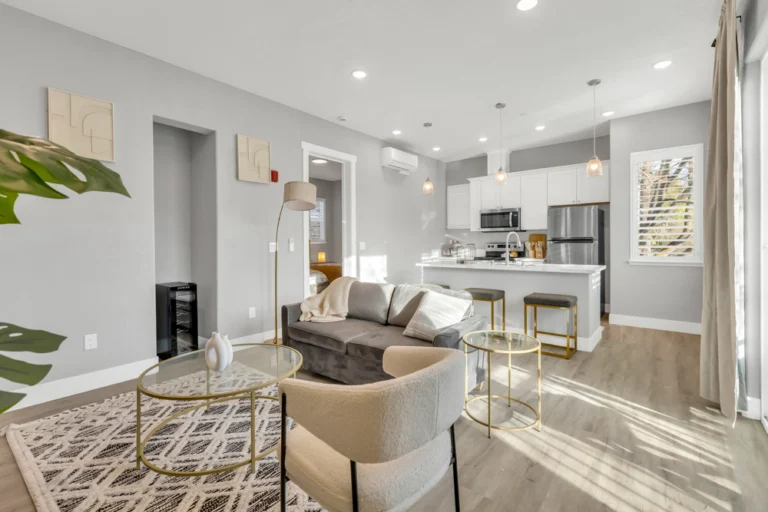
For buyers who want a low-maintenance lifestyle or a more affordable entry point into the Sacramento market, new-build townhomes and condos are excellent options. Many developments feature modern designs, shared amenities, and prime locations closer to downtown or employment hubs.
Best for:
- First-time buyers
- Professionals seeking walkable, urban-style living
- Individuals wanting reduced maintenance responsibilities
Townhome and condo communities continue to expand throughout Sacramento, especially in areas with high demand for affordable housing.
Understanding the New Home Construction Timeline
Pre-Approval and Lot Selection
The process begins with securing a mortgage pre-approval to determine your budget and qualify for builder financing requirements. Once pre-approved, you can choose a lot within the community. Factors to consider include:
- Lot size and shape
- Backyard orientation (sunlight, privacy)
- Proximity to parks or busy streets
- Lot premiums (additional costs for preferred locations)
Lot selection influences both the total price and long-term livability of your home.
Signing the Builder Contract
After selecting your lot and floor plan, the next step is signing the builder contract. This legally binding agreement outlines:
- The home price
- Construction timeline
- Included features and upgrade options
- Builder responsibilities and warranties
- Deposit requirements
- Closing expectations
This is also when your earnest money and construction deposits are due. It’s recommended to have a real estate agent or attorney review the contract before signing.
Design Center Appointment and Selecting Finishes
Once the contract is finalized, you’ll attend a design center appointment where you choose interior and exterior finishes. Common selections include:
- Cabinet styles and colors
- Countertops and flooring
- Backsplashes and tile
- Bathroom fixtures
- Appliances
- Exterior paint schemes
- Smart-home features
Sacramento builders typically offer tiered upgrade packages, so buyers should prepare by setting a realistic budget for upgrades.
Pre-Construction Phase
Before building begins, the builder handles:
- Permits and city approvals
- Engineering and architectural reviews
- Utility planning
- Finalizing the construction schedule
During this phase, nothing visible is happening on the lot, but it’s one of the most important steps in ensuring a smooth build.
Foundation, Framing, and Major Structural Stages
Construction officially begins when the foundation is poured. This includes:
Foundation:
- Grading the lot
- Installing plumbing groundwork
- Pouring the concrete slab
Framing:
- Building the home’s structural skeleton
- Installing trusses and roof sheathing
- Prepping for electrical and plumbing
Once framing is complete, the home takes shape, and buyers can walk the structure with builder approval.
Electrical, Plumbing, and HVAC Installation
In this phase, licensed trades install all major systems, including:
- Electrical wiring and breaker panel
- Plumbing lines and sewer connections
- HVAC ductwork and ventilation
- Gas line installations (if applicable)
This stage ends with city and county inspections to ensure compliance with California’s strict building and energy codes.
Drywall, Interior Finishes, and Final Touches
After inspections, the builder encloses the interior. This phase includes:
- Drywall installation and texturing
- Paint, trim, and baseboards
- Cabinetry and countertop installation
- Flooring and tile work
- Appliance installation
- Interior hardware and fixtures
- Exterior landscaping
At this point, the home looks nearly complete, and buyers can start visualizing the finished product.
Pre-Walkthrough and Final Inspections
Before closing, buyers attend a pre-walkthrough (or blue tape walkthrough) with the builder to identify:
- Cosmetic imperfections
- Touch-up paint or drywall issues
- Missing fixtures or features
- Appliance or mechanical concerns
The builder then completes a final list of corrections. Meanwhile, inspectors perform:
- Final safety checks
- Energy-efficiency tests
- Code compliance reviews
Your lender may also order a final appraisal, depending on loan type.
Closing and Move-In Expectations
Once the home is approved and move-in ready, the builder schedules closing. During this final step:
- Your lender finalizes the loan documents
- You sign closing papers and pay any remaining fees
- You receive the keys to your brand-new home
Buyers also receive information on warranties, maintenance, and emergency procedures.
Most builders offer:
- A 1-year workmanship warranty
- A 2-year systems warranty
- A 10-year structural warranty
With closing complete, you’re ready to move into your new Sacramento home and start enjoying everything modern construction has to offer.
Financing Options for New Construction in Sacramento
Conventional Loans for New Builds
Most buyers in Sacramento use a traditional conventional mortgage when purchasing from major builders such as Lennar, KB Home, DR Horton, or Richmond American. With this option, the builder funds the construction process, and buyers secure a standard mortgage closer to the home’s completion date.
Key advantages include:
- Lower upfront costs—no construction loan needed
- Standard underwriting and documentation
- Fixed or adjustable rates depending on buyer preference
- Often easier than financing a custom build
This is the most common financing method for production and semi-custom homes in large Sacramento communities.
Construction-to-Permanent Loans
Buyers building fully custom homes on private land typically use a construction-to-permanent loan (also called a “one-time close” loan). With this financing:
- The loan funds the construction as progress payments
- The loan automatically converts into a permanent mortgage at completion
- Only one closing is required
This option provides full control over the building process but requires more documentation, higher credit standards, and a larger down payment.
Best for:
- Buyers working with private builders
- Custom homes on rural or undeveloped land
- Unique designs not supported by standard builder financing
Builder-Preferred Lenders and Incentives
Most large builders in Sacramento partner with preferred lenders and offer financial incentives to encourage buyers to work with them. Incentives often include:
- Closing cost credits
- Rate buydowns
- Reduced origination fees
- Discounted upgrades when combined with financing
While incentives can be valuable, buyers should always compare rates with outside lenders to ensure the best overall deal. Sometimes an independent lender offers better terms, even after factoring in incentives.
Down Payment Requirements
Down payment expectations vary depending on the type of loan:
For standard new-build mortgages:
- Conventional: 3%–20%
- FHA: 3.5%
- VA: 0% (for eligible buyers)
- Jumbo loans: 10%–20% (common in higher-priced Sacramento neighborhoods)
For construction-to-permanent loans:
- Typically 10%–20% down
- Higher qualifications due to construction-related risk
Down payment funds are usually not due until closing unless the builder requires deposits for upgrades or lot premiums.
Locking in Interest Rates during Construction
Because new construction can take months to complete, interest rate protection is important. Many lenders offer:
- Extended rate locks (90–360 days)
- Float-down options that allow buyers to lower the rate if market rates drop before closing
- Builder-specific rate lock programs during promotional periods
Extended locks help protect buyers from future rate hikes but may come with additional costs.
Impact of Rate Changes on Long Build Timelines
Mortgage rates can fluctuate significantly during a build, which may impact:
- Monthly payments
- Loan qualification
- Maximum approval amounts
- Debt-to-income calculations
If rates rise before closing, some buyers may need to:
- Increase their down payment
- Choose a different loan product
- Requalify at a higher rate
To avoid last-minute issues, lenders typically review buyer qualifications several times throughout the build process.
Understanding New Home Warranties in Sacramento
Builder Warranties: 1-Year Workmanship, 2-Year Systems, 10-Year Structural
Most Sacramento builders follow a standard three-tier warranty structure:
1-Year Workmanship Warranty
Covers cosmetic and surface-level issues such as:
– Paint defects
– Drywall cracks
– Flooring separations
– Caulking and grout issues
– Cabinet alignment or finish problems
2-Year Systems Warranty
Covers major mechanical components, including:
– Electrical systems
– HVAC systems and ductwork
– Plumbing supply and drain lines
– Ventilation and mechanical systems
10-Year Structural Warranty
Focuses on the home’s core structural integrity, including:
– Foundation and footings
– Load-bearing walls
– Structural beams, framing, and roof structure
What’s Covered vs. Excluded
While builder warranties provide solid protection, they come with limitations. Understanding these exclusions prevents confusion and unexpected costs.
Typically Covered:
- Defects caused by improper workmanship
- Mechanical failures due to installation errors
- Structural issues, including major cracks or settling
- Problems that violate building codes or contract specs
Common Exclusions:
- Normal wear-and-tear
- Damage caused by homeowners or pets
- Landscaping issues after initial installation
- Cosmetic defects reported after the warranty window
- Damage from weather events or natural disasters
- Issues caused by improper maintenance
How to File Warranty Claims
When an issue arises, most Sacramento builders follow a structured warranty process:
- Submit a claim through the builder’s warranty portal or customer service department.
- Provide photos or videos to clarify the problem.
- Schedule an inspection or service visit with the builder’s warranty team.
- Review the builder’s determination of whether the issue is covered.
- Schedule repairs once the claim is approved.
For systems or larger structural issues, the builder may bring in subcontractors or third-party inspectors to verify the problem.