
Research Builder Reputation
Why local reputation matters in Sacramento
Sacramento has its own building challenges, including soil conditions, floodplain considerations, local zoning rules, and energy-efficiency requirements. Builders with a strong local reputation are more likely to understand these regional factors and navigate permitting, inspections, and neighborhood standards smoothly. A well-regarded local builder is also more accountable, since their business depends heavily on referrals and repeat work in the area.
Look for longevity and regional experience
Builders who have been active in the Sacramento market for many years tend to have established relationships with local subcontractors, inspectors, and suppliers. Longevity often signals financial stability, consistent workmanship, and the ability to adapt to market changes. Newer builders aren’t automatically a red flag, but a longer history usually provides more evidence of reliability and performance.
Evaluate on-time and on-budget performance
One of the most common homeowner complaints is construction delays or unexpected cost increases. Research whether the builder has a consistent record of completing homes on schedule and within the agreed budget. Online reviews, testimonials, and conversations with past clients can reveal patterns related to missed deadlines, surprise charges, or change-order issues.
Consider awards, recognition, and community involvement
Industry awards, certifications, and memberships can indicate professionalism and commitment to quality standards. Community involvement such as participation in local housing initiatives, charitable projects, or neighborhood developments can also reflect a builder’s long-term investment in Sacramento. While awards alone shouldn’t make your decision, they can reinforce confidence when combined with strong reviews and proven experience.
Read and Evaluate Reviews
Where to find reliable reviews
Start by checking multiple platforms to get a well-rounded view of the builder’s reputation. Common and useful sources include Google reviews, Yelp, HomeAdvisor, Houzz, and the Better Business Bureau (BBB). Each platform attracts a slightly different audience, so reading across several sites helps reduce bias and highlights consistent trends in customer experiences.
Look for patterns, not one-off comments
A single negative review or a single glowing one doesn’t tell the whole story. Instead, focus on recurring themes. If multiple homeowners mention delays, cost overruns, or poor follow-up, that’s a red flag. On the other hand, repeated praise for organization, transparency, and build quality usually signals a reliable builder. Consistency across reviews is far more meaningful than isolated feedback.
Pay close attention to communication and problem-solving
Reviews often reveal how a builder handles issues when things don’t go perfectly which is inevitable in construction. Look for comments about responsiveness, clarity in communication, and willingness to resolve problems. Builders who communicate clearly and address concerns quickly tend to deliver a smoother overall experience and higher client satisfaction with the final home.
Ask for recent client references
Beyond online reviews, ask the builder directly for references from recent projects ideally from the last 12 to 24 months. Speaking with past clients gives you insight you won’t always find online, such as how the builder handled unexpected challenges, honored warranties, and followed through after the home was completed. Direct conversations often provide the most honest and detailed perspective.
Assess Craftsmanship and Build Quality
Visit model homes and active job sites
Model homes give you a polished look at a builder’s finished product, but they shouldn’t be your only reference point. If possible, also visit current job sites. Active builds reveal how clean, organized, and professional the construction process really is. Pay attention to how materials are stored, how framing is executed, and whether the site appears well-managed these details often reflect overall build quality.
Evaluate key construction and finish indicators
Look closely at areas that commonly reveal workmanship issues. Straight, well-aligned framing is essential for structural integrity and long-term durability. Insulation should be properly installed without gaps or compression, as this directly affects energy efficiency and comfort. Examine flooring transitions, cabinetry alignment, door and window trim, and paint finishes. Consistent lines, tight joints, and smooth finishes are signs of skilled craftsmanship.
Ask about subcontractors and quality control
Most builders rely on subcontractors for specialized trades like framing, electrical, plumbing, and finish carpentry. Ask whether the builder works with the same crews consistently or rotates subcontractors frequently. Long-standing relationships often lead to better coordination and accountability. Also ask about internal quality control processes, including inspections, walkthroughs, and how deficiencies are identified and corrected before completion.
Inquire about materials and performance standards
Material quality matters just as much as workmanship. Ask specific questions about brand names, material grades, and performance ratings for items such as roofing, windows, insulation, HVAC systems, and flooring. Understanding whether materials are builder-grade, mid-range, or premium helps you compare builders accurately and assess long-term durability, maintenance needs, and energy efficiency.
Evaluate Pricing Transparency
Understand base pricing versus add-on costs
Many builders advertise an attractive base price, but that number often excludes essential features. Ask what is truly included in the base price versus what is considered an upgrade. Items such as flooring, countertops, cabinetry finishes, energy-efficient features, landscaping, or even certain appliances may add significant costs. A clear breakdown helps you understand the real price of the home you want.
Compare itemized pricing to bundled packages
Builders present pricing in different ways. Some provide detailed, itemized lists that clearly show the cost of each feature or upgrade. Others bundle upgrades into preset packages. While packages can simplify decision-making, they can also hide individual costs. Itemized pricing offers greater transparency and makes it easier to compare builders on an apples-to-apples basis.
Request written estimates with detailed line items
Always ask for written estimates that clearly outline base pricing, standard features, optional upgrades, and allowances. Line-item estimates reduce misunderstandings and give you a documented reference if questions arise later. This level of detail also helps protect you from unexpected charges once construction is underway.
Clarify change order policies and fees
Even with careful planning, changes sometimes happen during construction. Ask how change orders are handled, how costs are calculated, and whether administrative or processing fees apply. Knowing the approval process, timelines, and pricing structure for changes can prevent delays and cost overruns.
Watch out for “teaser” pricing
Be cautious of builders who advertise unusually low prices that seem too good to be true. Teaser pricing often omits necessary features such as permits, site preparation, utility connections, or code-required upgrades. Make sure the quoted price reflects a move-in-ready home that meets local building standards.
Visit Completed Homes and Communities
Why visiting completed homes matters
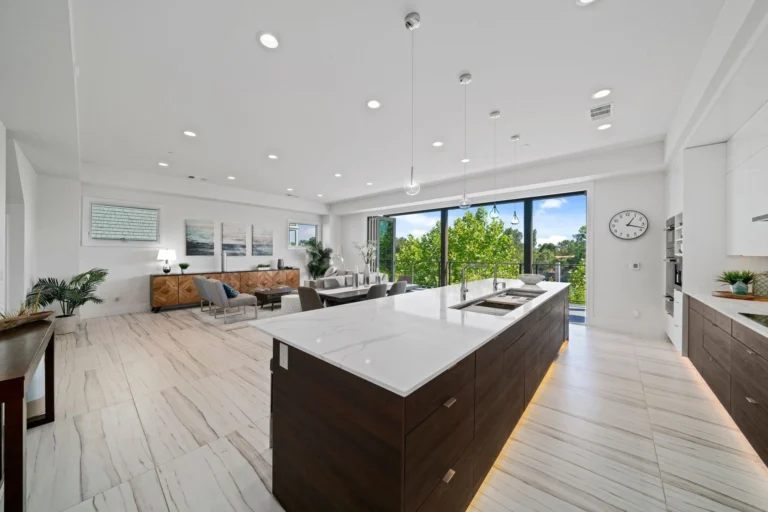
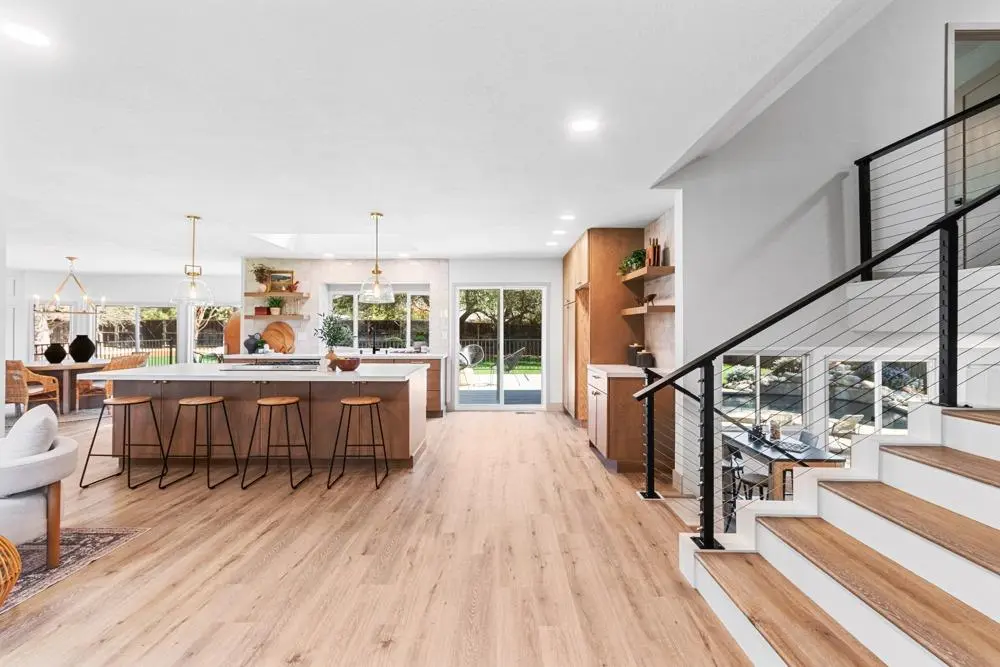
Finished homes show how a builder’s craftsmanship holds up once construction is complete and the home is lived in. You can assess overall build quality, layout functionality, exterior finishes, and neighborhood consistency. Seeing multiple completed homes also helps you understand whether quality is consistent across projects not just in showcase models.
Look beyond renderings and model homes
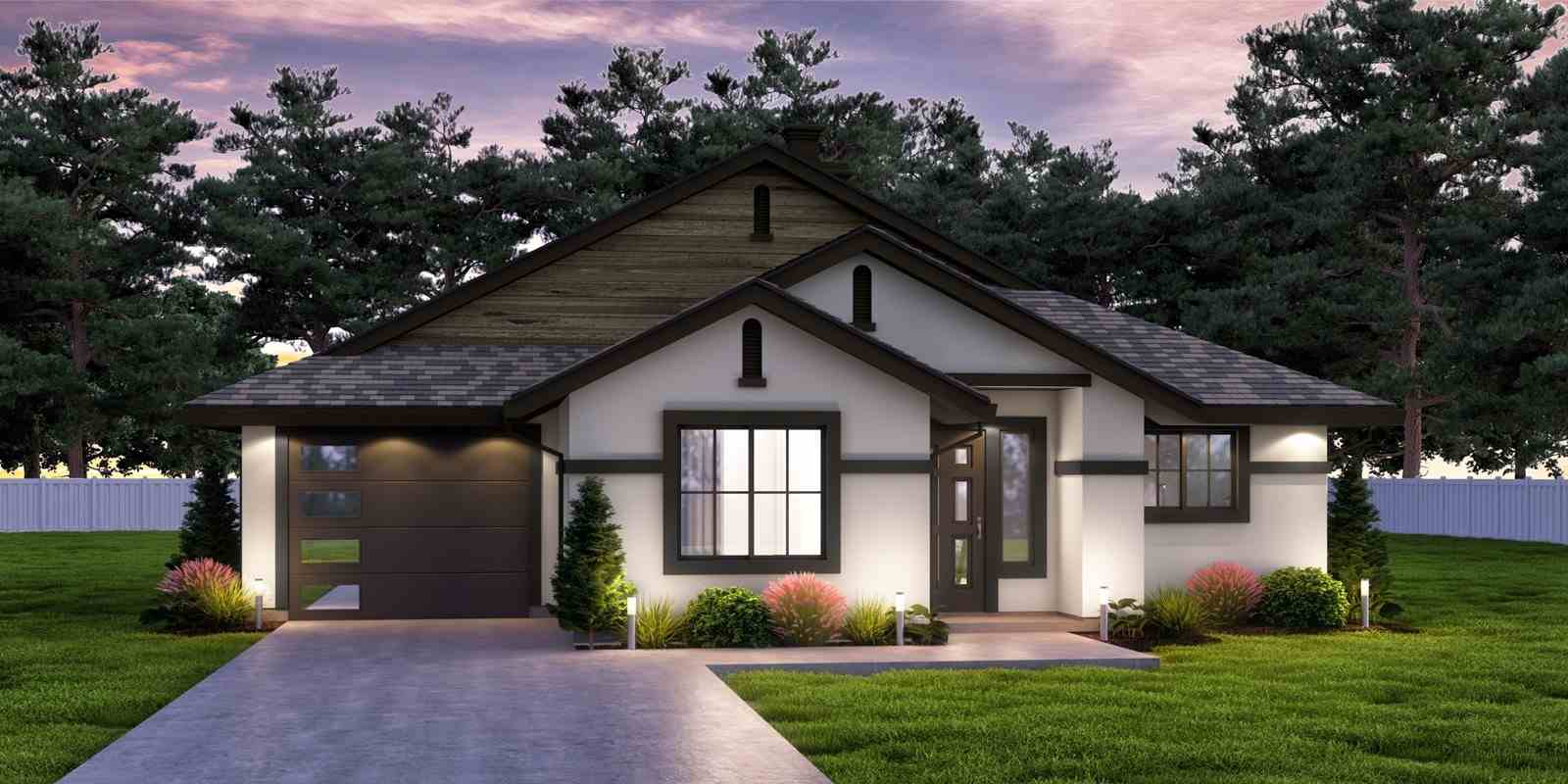
Renderings and model homes are designed to impress, but they don’t always reflect standard finishes or real-world conditions. When visiting completed homes, pay attention to details such as driveway quality, exterior paint or siding, rooflines, landscaping, and drainage. Inside, observe how flooring, cabinetry, and fixtures look after normal use. These details provide a more accurate picture of what you can expect in your own home.
Talk to current homeowners when possible
If you have the opportunity, speak with residents who already live in the builder’s communities. Ask about their experience with the construction process, communication, and how issues were handled after move-in. Homeowners can offer honest insight into warranty support, responsiveness to repairs, and overall satisfaction information you won’t find in marketing brochures.
Meet the Builder and Project Team
Schedule one-on-one meetings
Take the time to meet directly with the builder or their representative to evaluate professionalism, transparency, and responsiveness. Pay attention to how clearly they answer questions, whether they explain processes in detail, and how willing they are to address concerns. A builder who communicates confidently and openly from the start is more likely to be reliable throughout the project.
Discuss communication style and expectations
Ask how often you’ll receive updates and through which channels such as phone calls, emails, project management apps, or scheduled site meetings. Clear expectations around communication help prevent misunderstandings and reduce stress during construction. Builders who provide regular progress updates and are easy to reach tend to deliver a better overall experience.
Clarify your main point of contact
It’s important to know exactly who you’ll be working with day-to-day. Ask whether your primary contact will be the builder, a project manager, a site supervisor, or a customer service coordinator. Understanding roles and responsibilities ensures you know who to contact with questions, approvals, or concerns at each stage of the build.
Check Licensing, Insurance, and Compliance
Verify an active California contractor license
Confirm that the builder holds a valid California contractor license and that it is active and in good standing. Licensing ensures the builder meets state qualifications, has passed required exams, and complies with professional standards. It also gives you access to formal complaint and dispute-resolution processes if problems arise.
Confirm liability and workers’ compensation insurance
Ask the builder to provide proof of general liability insurance and workers’ compensation coverage. Liability insurance helps protect you if property damage occurs during construction, while workers’ compensation coverage is essential if a worker is injured on your property. Without proper insurance, homeowners can be exposed to serious legal and financial liability.
Ensure compliance with Sacramento building codes and permits
Sacramento has specific building codes, zoning rules, and permitting requirements that must be followed throughout the construction process. Make sure the builder is responsible for securing all required permits and scheduling inspections. A builder who understands and follows local regulations helps prevent costly delays, failed inspections, or issues when selling the home in the future.
Compare Warranty Service and Post-Sale Support
How punch lists and early issues are handled
Ask how the builder manages punch lists and post-move-in concerns. A strong builder will schedule a walkthrough, document remaining items clearly, and resolve them within a reasonable timeframe. Pay attention to whether the process is formalized or handled informally clear procedures usually lead to faster and more reliable results.
Response times after closing
Some builders are highly responsive during construction but slow to act once the sale is complete. Ask about typical response times for warranty requests and repairs after closing. Online reviews and homeowner references often reveal whether the builder follows through promptly or becomes difficult to reach once the keys are handed over.
Support for warranty work and future upgrades
Inquire about the length and scope of warranties for structural components, systems, and workmanship. Also ask whether the builder offers support for future upgrades, repairs, or modifications. Builders who maintain long-term relationships with homeowners and continue to offer assistance after move-in tend to provide a better overall ownership experience.
Ask the Right Questions before You Sign
What’s included in the base price?
Ask for a clear, written explanation of what the base price covers. This should include finishes, fixtures, appliances, permits, site preparation, and any code-required features. Understanding what’s included and what counts as an upgrade helps you compare builders accurately and budget realistically.
How often will I receive construction updates?
Clarify how frequently the builder will provide progress updates and through which method. Regular communication helps you stay informed, plan ahead, and address issues early. Builders should be able to explain whether updates are weekly, milestone-based, or scheduled site walkthroughs.
What is the typical timeline for completion?
Ask for an estimated construction timeline and what factors could cause delays, such as permitting, weather, or material availability. While timelines can shift, experienced builders should be able to provide realistic expectations based on similar past projects.
Who do I contact after move-in?
Post-move-in support is just as important as communication during construction. Ask who your point of contact will be for warranty claims, repairs, or general questions after closing. Knowing whether there is a dedicated warranty or customer service team helps ensure issues are handled efficiently.